For many modern women and couples, planning a family in their mid-thirties or beyond aligns naturally with career achievements, personal stability, and life goals. However, as the biological clock moves forward, questions and concerns regarding reproductive timelines often arise. At Juhi Fertility Centre, our mission since 2010 has been to provide clarity, compassionate guidance, and hope to couples navigating their path to parenthood.
Understanding how your body changes after age 35 allows you to take proactive, evidence-based steps to protect and maximize your reproductive potential.
The Biological Reality: What Happens to Fertility After 35?
A woman is born with all the eggs she will ever have. Over time, both the quantity and biological quality of these eggs naturally decline—a process known as diminished ovarian reserve.
- Gradual Decline After 30: Female fertility begins a slow, natural decrease after age 30.
- Accelerated Drop Between 35 and 45: A more noticeable decline in ovarian reserve and egg quality occurs between 35 and 45 years of age. Eggs retrieved in this window are more susceptible to chromosomal variations, which can lower spontaneous conception rates and increase the risk of early pregnancy loss.
- Upper Age Cut-Offs: While conception remains achievable, most fertility clinics maintain an upper age limit for treatment using a patient’s own eggs, typically between 45 to 50 years.
Recognizing these biological transitions early ensures that any underlying reproductive obstacles are addressed promptly.
How Modern Assisted Reproductive Technology Supports Conception
Turning 35 does not mean natural parenthood is out of reach; rather, it highlights the importance of timely diagnostic screening and advanced clinical protocols:
1. Comprehensive Diagnostic Evaluations: Detailed ovarian reserve fertility tests, hormonal evaluations, and uterine assessments using sophisticated 4G Ultrasound Machines help pinpoint your exact baseline reproductive health.
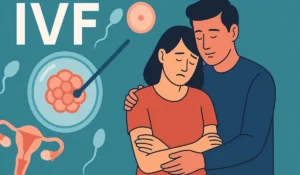
2. Personalized In Vitro Fertilization (IVF): During an In Vitro Fertilization cycle, mature eggs are retrieved via ultrasound aspiration, fertilized with prepared sperm in a specialized laboratory, and the resulting healthy embryos are carefully transferred into the uterus.
3. Genetic Screening (PGD / PGS / PGT): Preimplantation genetic diagnosis and screening allow embryologists to evaluate the chromosomal health of embryos before transfer, significantly mitigating age-related miscarriage risks and boosting implantation rates.
4. Targeted Female Factor Solutions: For women experiencing ovulatory disorders, blocked fallopian tubes, endometriosis, or ovarian cysts, choosing a specialized Female Infertility Treatment In Hyderabad directly bypasses biological barriers to pregnancy.
Why Choose Juhi Fertility Centre?
Partnering with the Best IVF Centre in HyderabadBest IVF Centre in Hyderabad ensures that your fertility journey is supported by seasoned clinical leadership and international quality standards.
- Decades of Clinical Experience: Our center is led by a Best Fertility Specialist in Hyderabad with over 30 years of medical experience, having guided more than 25,000 infertile couples toward successful parenthood.
- Award-Winning Excellence: Ranked as the Best IVF Centre in Telangana (2019–20 by the Times of India Health Survey), we operate a state-of-the-art Modular IVF Lab adhering strictly to international QC/QA protocols.
- Proven Clinical Success: With over 5,000 successful pregnancies, 3,000 IVF cycles, 7,000 IUI procedures, and 2,000 deliveries, our clinical team maintains a high 70% per-cycle success rate for an IVF Treatment in Hyderabad.
- Affordable & Accessible Care: We believe quality care should be accessible to everyone, offering low-cost treatment packages ranging from Rs. 79,000 to Rs. 1,20,000, supported by dedicated insurance coverage assistance.
Frequently Asked Questions (FAQs)
1. How does maternal age influence the number of IVF cycles needed?
The number of cycles required depends on factors such as the patient’s age, baseline egg quality, partner semen health, and overall systemic wellness. Older patients may require customized stimulation protocols or multiple cycles to yield optimal embryos.
2. When should a woman over 35 consult a fertility specialist?
If you are 35 or older and have been trying to conceive for 6 months without success—or if you experience symptoms like abnormal periods, severe pelvic pain, or sudden hair loss—consulting an experienced IVF Specialist in HyderabadIVF Specialist in Hyderabad is strongly recommended.
3. What lifestyle habits can help optimize fertility after 35?
Both partners can support reproductive health by maintaining a healthy weight, exercising regularly, avoiding smoking, drugs, and excessive alcohol, minimizing exposure to environmental toxins, and avoiding high-temperature environments such as saunas or hot tubs.
4. What options exist if a woman’s own eggs are no longer viable?
If personal ovarian reserve is depleted, our clinic offers comprehensive alternative options, including donor egg cycles, donor embryo treatments, and fertility preservation options such as egg or embryo freezing.
Take the Next Step Toward Fatherhood
Age is an important biological consideration, but it does not define what is possible for your family. With personalized diagnostic testing, cutting-edge laboratory technologies, and compassionate medical care, you can navigate your journey with clarity and confidence.